


Trust me. You won’t see it coming. It only takes a minute. You are blindsided. You can’t breathe. One moment, you are immersed in the happy, normal chaos of parenting. Next, you hear words that shatter your heart. Your child has cancer. From that moment on, nothing is the same. There is simply the before and the after.
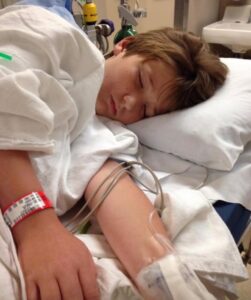
Parenting a child through a cancer diagnosis or other life-threatening illness is an overwhelming journey that will tax and test the entire family. It is the ultimate balancing act as you ride the rollercoaster of hospitalizations, doctor’s appointments, emotional needs, financial worries, and academic challenges. And at the forefront of it all is the never-ending worry that you may lose your treasured child.
If you have found yourself in this situation, catch your breath. Here are a few essential navigation tips.
- Keep calm when speaking with physicians. Always have the other parent or another adult with you. Sometimes the emotional impact of information can keep your mind from fully absorbing the message. Take notes and make sure you ask any questions at the meeting.
- Engage a child psychologist or therapist. Let them help you strategize the best way to share information with your child and other family members. Also, connect with someone for yourself. Parents managing a child with cancer must be firing on all cylinders, and you cannot do it alone.
- Create a health team for your child. Keep in mind, once your child has cancer, their oncologist will become their primary physician, and sometimes the best oncologist does not always have pediatric experience. Therefore, make sure the oncologist is open to sharing information with the child’s pediatrician, physical therapist, and emotional therapist. You want everyone on the same page.
- Establish academic support. Your child needs to keep as normal a routine as possible at school, which requires building a solid academic team. Additionally, anxiety and drug treatments can prompt learning issues. Meet with administrators, teachers, and tutors routinely to bridge any gaps caused by absences. School counselors can also offer great support, as your child’s classmates no doubt will have questions about their friend. Your child’s diagnosis will have a ripple effect on all who know and love them.
- Keep Extracurricular Activities Rolling. Many a star athlete, dancer, musician and honor student have seen their beloved activities begin to fall to the wayside. Make sure coaches understand what your child is facing, and look for other ways to help your child stay engaged in the activities that often form a huge part of their identity. Additionally, friend groups tied to these activities can offer the strongest sense of belonging for children facing a new normal.
- Age-appropriate conversations. This is where your child’s therapist can help, but in general, use honest age-appropriate conversations with your child and siblings. Children have a strong radar and will tend to assume the worst-case scenarios if the truth is withheld. At all ages, reassure the child that the cancer is not contagious nor a result of something they did. School-aged children and teens will ask lots of questions, repeatedly, so be patient and be prepared for the hardest question of all. “ Am I going to die?” When it comes to teenagers, let them set the tone. Allow them to be as engaged with treatment decisions as possible and respect their need for independence and privacy. Their peers are everything at this age, so do all you can to help them stay connected. Some teenagers find great strength from meeting with other teens and young adults in support groups. You can find those near you through your hospital or oncology team.

- Rules are rules! For all ages, it’s essential to maintain the mundane routines of life: bedtime, mealtime, and family rituals. Predictability equals a sense of safety and helps with anxiety for not only the child being treated but for siblings as well. Kids just want to be kids, and sometimes that means being consistent with discipline when needed.
- Put on your oxygen mask first. It’s true. As a caregiver, you are running an emotional and physical marathon. Remember, you do not have to carry this burden alone. Find your village. Reach out to friends, family, and professionals to build a support network. Accept offers for grocery runs, pharmacy pick-ups, yard work or other mundane tasks. Self-care is mandatory, although it may seem impossible when you barely find time to sleep. Squeeze in time to meet a friend for coffee or a walk. Hot showers can fix most everything and offer a really good place for a much-needed cry.
Above all else, keep talking; as a family, with your spouse or partner, and especially with your child. It may not be the childhood you dreamt of for them, but it will still be filled with love, laughter, and shining moments.
You’ve got this. To quote Claire from her college essay, a mantra written in the thick of her melanoma battle, ” Breathe Deeply. Keep moving forward. You will feel the sunshine again.”

Post a comment