In this era of COVID19 it can be challenging to manage the common practice of healthcare. Thus, many routine medical concerns, including dermatology screenings for skin cancer and melanoma, are on hold for most people.
In an attempt to manage their own health as best they can, some patients may turn to smartphone apps to assess a suspicious skin lesion. That is not a good idea! A recent study published in the Journal of the American Medical Association ( JAMA) found these leading apps offer false results. SkinVision and SkinScan, the two most popular apps, were both missing melanomas and offering false positive readings. Furthermore, 45% of the time, the images couldn’t even be interpreted by the apps. It should be noted that the FDA has not yet approved these apps for the diagnosis of melanoma.
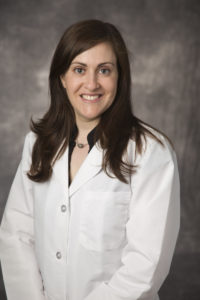
What should you do if you can’t get an appointment with your dermatologist and you have a suspicious skin lesion? We reached out to Claire Marie Foundation Medical Advisor, Dr. Meg R. Gerstenblith, M.D., a Clinical Assistant Professor in the Department of Dermatology at Case Western Reserve University and a Clinical Associate in the Department of Dermatology at Johns Hopkins School of Medicine. Here is what Dr. Gerstenblith had to say:
“The past few months, our lives have changed dramatically. Each one of us has been impacted by COVID19, even if we haven’t personally been sick. Routine medical visits, including skin exams by dermatologists, have been pushed back. We won’t fully appreciate the effects of these delays, although in the context of cancer screening and cancer care, some hypothesize that the impact will be felt for years to come.https://www.thelancet.com/journals/lanonc/article/PIIS1470-2045(20)30243-6/fulltext
However, many dermatologists’ offices are open for telemedicine visits and urgent concerns, including the diagnosis and treatment of aggressive skin cancers.
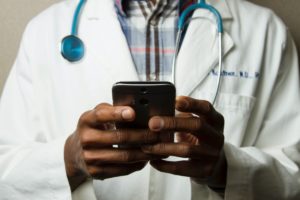
In a typical telemedicine visit, a patient will upload photos of a suspicious lesion (or lesions) and, during the video visit, the dermatologist will review the photos and obtain critical history information from the patient with regard to how long the patient has noticed the lesion, whether or not it is symptomatic, and whether or not it has changed in any respect.
With this information, dermatologists can usually come up with a sound plan for that patient. If the dermatologist is concerned, most are be able to see the patient in the office for the appropriate biopsy or excision of a suspicious lesion. Our surgeons are performing skin cancer surgery as well. We are doing our best to avoid delays in diagnosing and treating potentially aggressive skin cancers. For some skin cancers that are not very aggressive, such as a superficial basal cell carcinoma, dermatologists may recommend waiting to treat those since they are highly unlikely to grow or spread.
For the patient with the suspicious lesion, that patient should contact his/her dermatologist and set up a telemedicine visit. The dermatologist can then advise the patient on whether or not he/she needs to be seen in person for an examination or a biopsy.
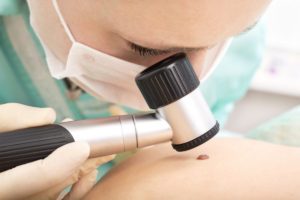
If that patient’s dermatologist is not open or not conducting telemedicine visits, there are likely other offices that are open in that patient’s community–and the patient should seek out another dermatologist or speak to their primary care doctor to get assistance reaching a dermatologist.
Most dermatology groups within academic hospitals are open during this COVID19 pandemic as are many private practices. We would not recommend using any of the lesion detection apps, since studies have shown these to be ineffective.”





 nds!
nds!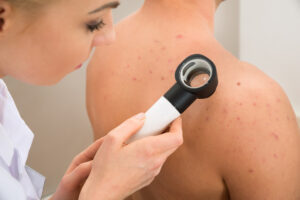 r surged to 33%. By taking time to find atypical moles early, they removed the risk of melanoma and can look forward to a healthy safe summer!
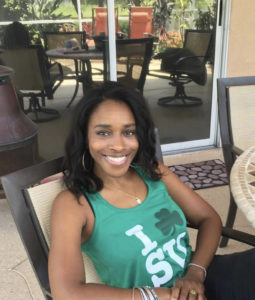 glimpse of what life is like for a young melanoma patient.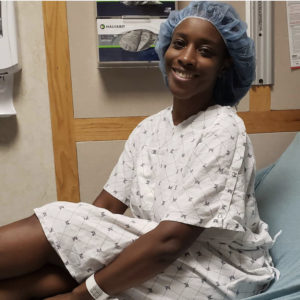
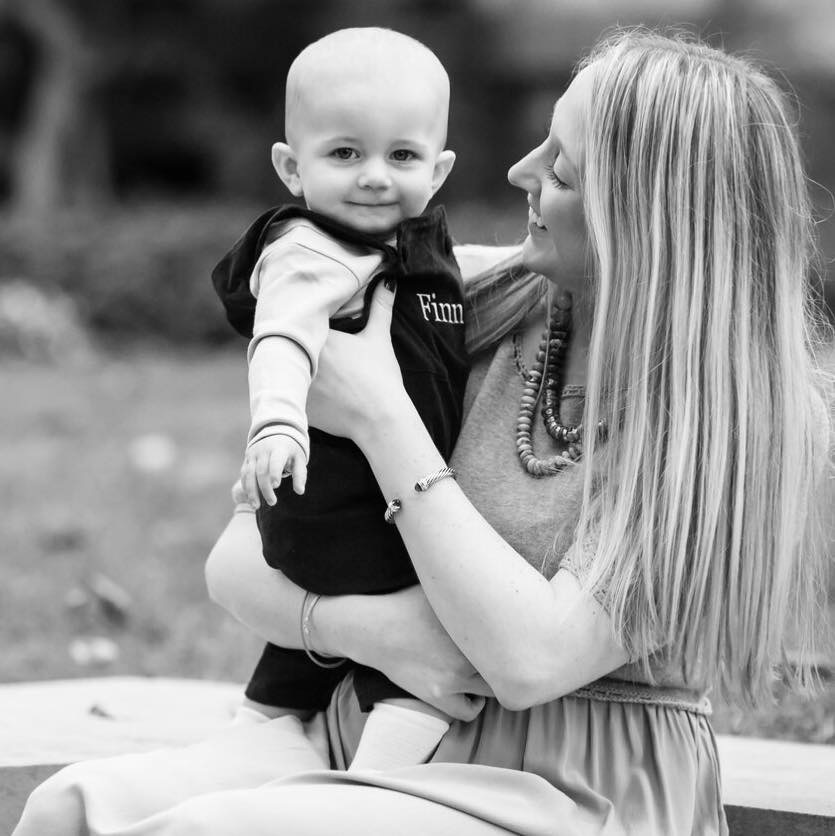

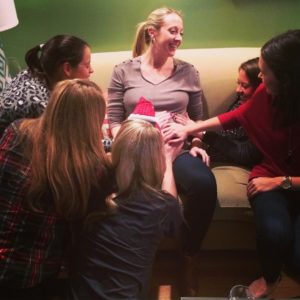 I was around 5 months pregnant when I noticed a mole on my thigh start to drastically change. It went from something I hardly noticed to something I could no longer ignore. My husband encouraged me for weeks to get it checked out and thankfully I finally listened. It was stage IIb Melanoma – which meant it was aggressive and growing rapidly. I was quickly scheduled for a surgery to remove the cancer and some surrounding skin. We then received the news that the surrounding skin was free of Melanoma cells and so at that point we thought I was in the clear.
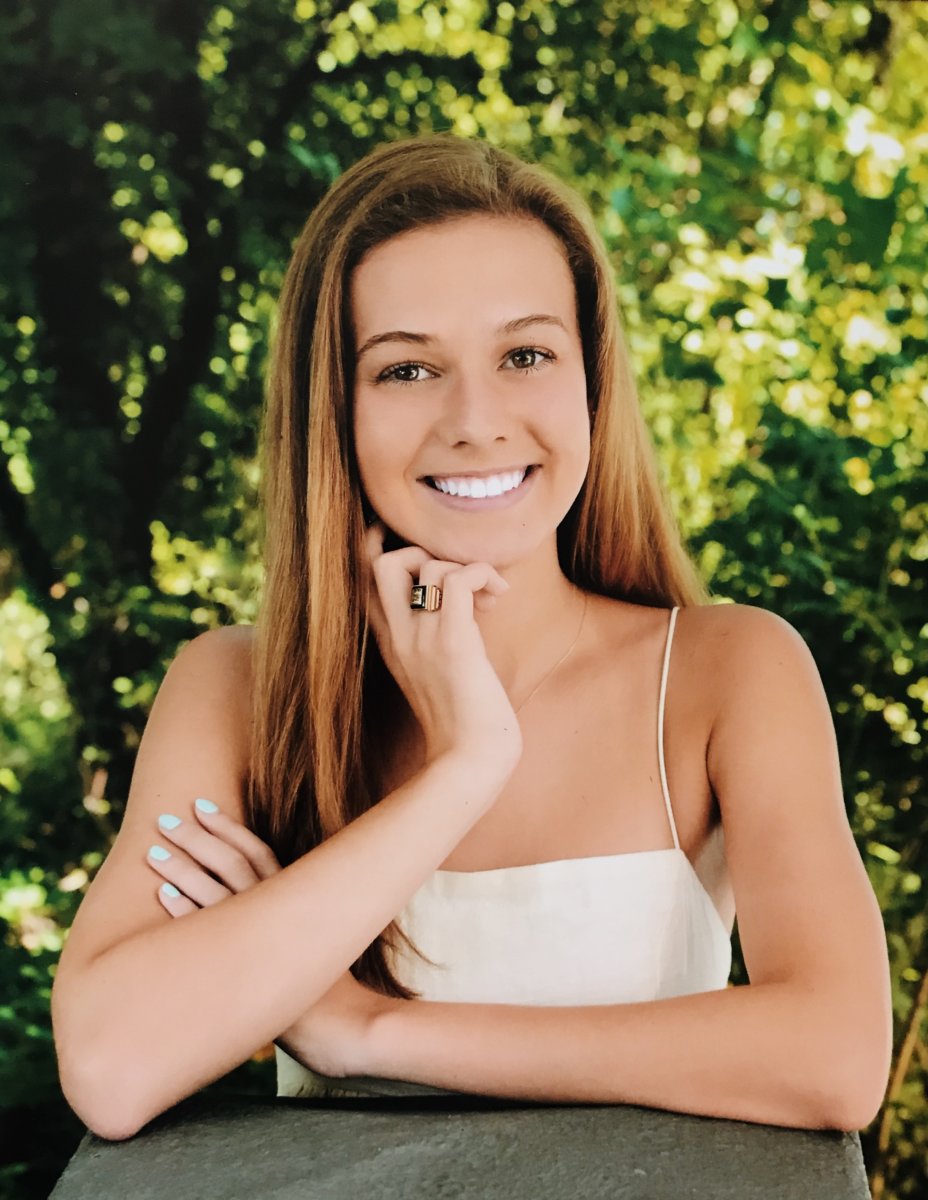
 The Notre Dame Preparatory Senior got the news via NDP art teacher Anne Walker while isolated at her home, but the lack of fanfare did not diminish her excitement! Allie begins her studies this fall at Miami University in Oxford, Ohio where she will immerse herself in Interior and Architectural Designs.
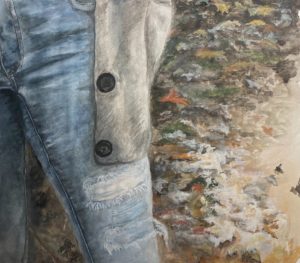 Every year since 2015, the $5,000 award is given to a graduating senior from Claire’s alma mater, Notre Dame Preparatory School in Towson Maryland to support the recipient’s desire to study design arts in college. It was a dream of Claire’s to launch a career in interior design and we are thrilled to see other young women share the same passion and excitement. Each year, our winners are selected by an exquisite team of noted design professionals from across the country! They bring expertise in fine arts, theatrical, animation, interiors, photography and film. Our thanks to our CMF Scholarship Committee: Katie Fico with Walt Disney Animation Studio, Los Angeles based Interior Designer Stacey Vuduris, Theatrical Designer Timothy Swiss of Los Angeles, Photographer Susannah Dowell of Colorado and Maryland’s First Lady and MICA Educator Advocate, Mrs. Yumi Hogan.
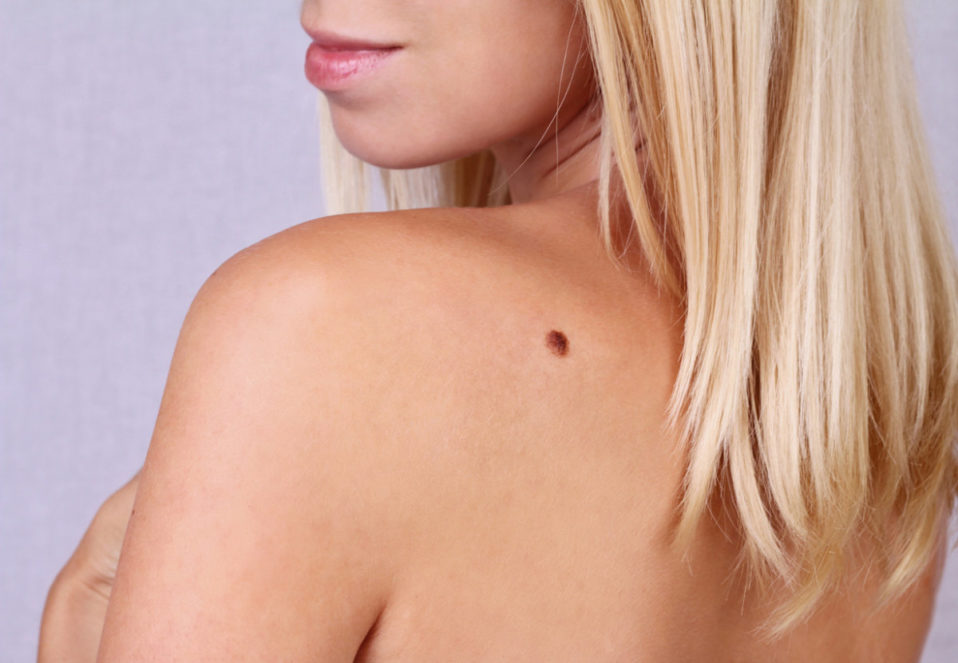
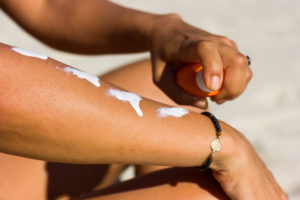
 So along with getting a full body skin screening from your dermatologist, you also need to remember to wear sunscreen everyday.