News

New Tech and the Reach of AI In Melanoma Detection and Treatment

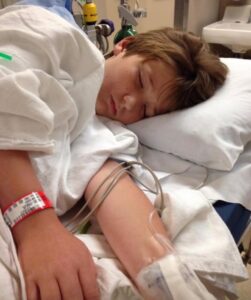
So much has changed in the world of melanoma detection and treatment since Claire was diagnosed as a 14-year-old in 2011. Today, there are better, less toxic treatments and more precise tools available to help detect melanoma and other skin cancers at the very earliest stage.

With the surge in AI, there is plenty of buzz about new and exciting diagnostic technologies today. To sort through it all, we are looking past the hype. What works? What doesn’t when it comes to tech and melanoma?

We tapped into the expertise of one of our top Medical Advisors, Dr. Diane Orlinsky, M.D.,  Board Certified Dermatologist, Assistant Professor of Internal Medicine at the Johns Hopkins University School of Medicine and a Fellow of the American Academy of Dermatology.

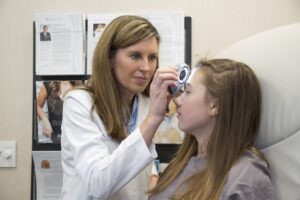
She, and others on our CMF Medical Advisory, recommend above all else, you find your person; your dermatologist. A well-trained medical professional who uses dermascopy to fully examine your naked skin, head to toe, every year. Over time, that dermatologist will know if your moles change and if there are any new ones. That is your baseline of skin health. But there are still new developments to be excited about! Time to dive in!

Decision DX-Melanoma

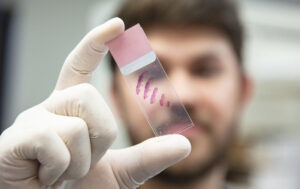
A game changer! Created by Castle Biosciences, Decision DX-Melanoma is a “gene expression profile test that provides comprehensive, personalized results to guide risk-aligned management decisions for patients with stage I-III cutaneous melanoma.” In other words, once a melanoma is diagnosed, Decision DX-Melanoma captures personal, genetic information from the tumor to predict its aggressiveness and the risk of it spreading further through the body. This insight can offer oncologists the option of avoiding sentinel lymph node biopsies, which can often be quite painful. Dr. Orlinsky gives Decision DX- Melanoma high marks. “ I look at it as another tool in my tool box”. She says its accuracy helps her best guide her patients in their decisions going forward. Decision DX-Melanoma is the only melanoma prognostic test associated with improved survival and is highly recommended by patients and professionals.

 AI Powered Handheld Scanners

So cool! Devices like DermaSensor are FDA-approved and use spectroscopy and AI to analyze a lesion in seconds and detect the risk of melanoma or other skin cancers. It has proven to be 96% accurate. This is huge news for patients in rural areas with limited access to dermatologists but at great risk for sun damage. What Dr. Orlinsky finds exciting about this is it’s accuracy and the fact that patients in remote areas can get a first look that was never available before.  By using DermaSensor, a general practitioner can assess the initial risk of skin cancer or melanoma and then refer the patient to a dermatologist for a final exam using dermoscopy and if needed, biopsy. 


3D Body Mapping & Automated Imaging:

Systems like Vectra WB180 use 26 cameras to create a 3D avatar, tracking every mole over time to detect minute changes, which reduces unnecessary biopsies. The challenge to this system is cost. It is too expensive for private dermatologists to utilize and often results in false positives, resulting in patient anxiety and unnecessary biopsies.  Additionally, it carries high out-of-pocket costs as insurance may not always cover it. For that reason, Dr. Orlinsky advises skipping this system and finding a dermatologist who uses their own expertise and dermascopy training for annual screenings. She says it also makes it easier to get a second opinion if desired, with consistency and better access.

 Non-Invasive Genomic Testing:

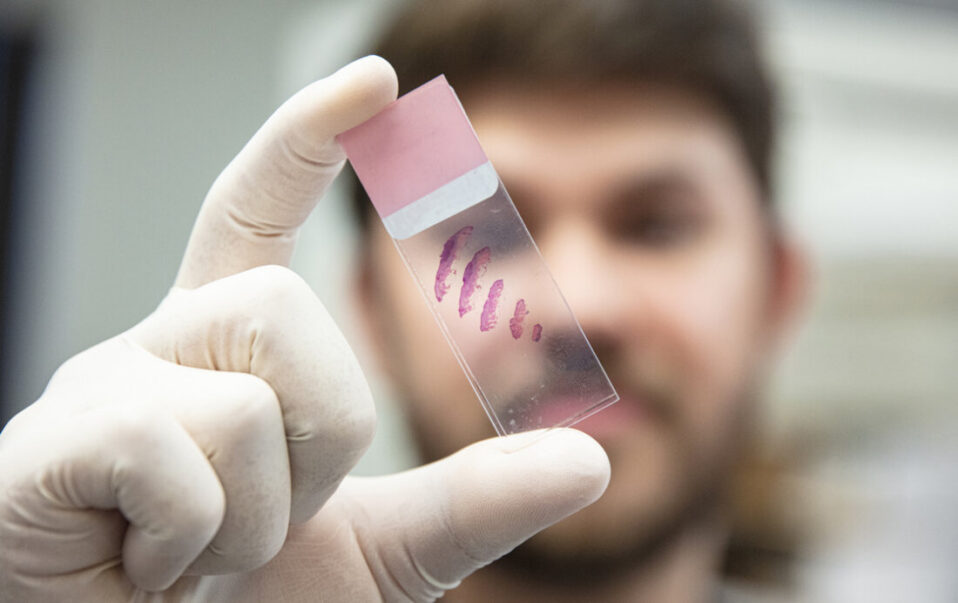
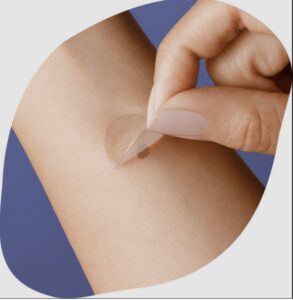
There are two tests on the market under this category. The first is from DermTech.It has created a test that allows doctors to use adhesive patches to collect skin cells from the surface of a patient’s skin or a mole for genetic analysis. The belief is that, with this genomic marker analysis, melanoma can be diagnosed without a surgical biopsy. 


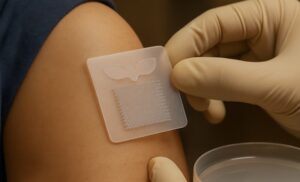
And taking the next step is ExoPatch, currently being tested by researchers at the University of Michigan. This tiny patch has micro needles that capture biomarkers in the top layer of the skin’s epidermis. Researchers say by using this, no biopsy is needed and it can be done at home.
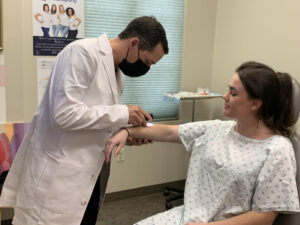

Dr.Orlinsky says the risk with both of these products is that melanoma cells can develop deep within the layers of the skin, beyond what can be detected at the surface. A board-certified dermatologist, equipped with dermoscopic tools, is trained to evaluate cellular patterns that cannot be seen with the naked eye nor detected by an adhesive patch on the skin. If the melanoma is detected at the surface of your skin, you may already have a problem. Remember, if found early, melanoma is 98% treatable. And the “at-home” testing is especially problematic. Never try to diagnose your own skin issues, especially when it comes to cancer.

As always, if you have any questions or concerns about your skin, count on your medical team. If you have been diagnosed with melanoma or other skin cancers, make sure your dermatologist, oncologist and other medical professionals are all in the loop. You need a village and a team! It can make all the difference!

Read more

Up Your Skin Game! Why Young Athletes Are At Special Risk for Melanoma

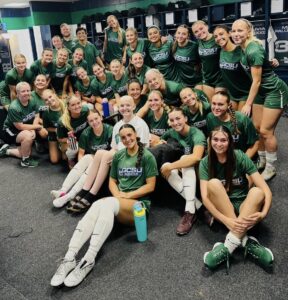
It often starts in the little ones; as early as 5 years of age. They learn to swing a bat, serve in tennis, pass a football, kick a soccer ball or cradle in lacrosse. Over the years, their time on turf, courts, and grass will increase as will their exposure to the damaging rays of the sun. On average, the NCAA outdoor athlete will spend 1,200 hours a year in the sun. But that doesn’t even account for the years before college.


Over 3.5 million skin cancers are diagnosed in the U.S. each year and young people are especially targeted. Not only due to sun exposure but special risks related to hormonal changes and genetics

Melanoma—the deadliest type of skin cancer—is the most common form of cancer among young adults ages 25-29, and the second most common among ages 15-29. It’s the number one cause of cancer death in women 25-30.

Additionally, there are aspects to life as an athlete that add to the risk of melanoma. For instance: sweating.

It increases the skin’s sensitivity to ultraviolet radiation. Anti-inflammatory medications such as Advil or Aleve, often used for muscle pain, as well as acne medications and antibiotics, can increase the skin’s likelihood of burning.

What to do?  Just be extra cautious!

Start with sunscreen: Apply a broad-spectrum liquid sunscreen with SPF 30 or higher and reapply every 2 hours or after swimming. Be generous and rub it in! Do not use spray sunscreens, as they do not penetrate the skin’s layers. Here’s a hint: stash it in your cooler for easy access when hydrating! 

Wear UPF 50 clothing: Regular team uniforms, hats, and gear will only stop 6% of the damaging rays. You can actually burn through your clothing! UPF50 will block 98% of the sun’s damaging rays, so cover up with sun-safe gear when you can. That goes for the team tent too! Unless it’s made of UPF50 fabric, it offers little protection.

Tag-Team Protection: Many dermatologists, including those with the Claire Marie Medical advisory, recommend using a polypodium plant derivative. In short, an herbal supplement that can help to protect the skin from sun damage. It is NOT a replacement for sunscreen, but it’s another tool to enhance skin protection on those long days in the sun. As always, check with your physician or dermatologist to make sure it’s right for you.

Know your skin: Get a full-body skin screening every year from a dermatologist who uses dermoscopy. Then, keep an eye out for any new moles or unusual changes to existing moles. If you see anything, see your dermatologist asap. In young people, melanoma can change very quickly and be quite aggressive. But, if found and removed early, it is 98% treatable.

Remember, there is nothing keeping you from living a vibrant, active life. Just up your skin game! Take care of you! Take care of your skin! #LiveLifeLikeClaire

Read more

Remember, Kids Count Too! The Fight for Cancer Research

Here’s some food for thought: Nearly 400,000 children and adolescents will be diagnosed with cancer globally this year. That means every three minutes, a parent is told their child has cancer. Trust me. No one can imagine nor prepare for the moment. There is simply the before and the after.  Life is never the same. Still, there is so much more hope for young patients, since we lost Claire nearly a dozen years ago. That is due in great part to the advocacy and commitment of researchers and to those who scramble to find funding, who make it all happen. But times are hard.

In 2025, the Trump administration enacted massive cuts to cancer research leading to a loss of $640 million in grants and awards. That means one in 30 active clinical trials were disrupted, blocking access to new treatments. 2026 is not looking much better – with additional cuts of more than 43% proposed. So while Federal dollars are slashed for overall cancer research consider how much more this affects children and adolescents where funding is a mere pittance of what is available.

  • The National Cancer Institute (NCI) allocates only about 4% of its budget to pediatric cancers, compared to over 96% for adult cancers.
  • Pediatric or adolescent cancers are often classified as “rare diseases,” ( often times inaccurately) making them less attractive to pharmaceutical investments compared to common adult cancers.
  • “Person-Years of Life Lost” rate is much higher than adult cancers  because they occur at a young age.
  • Treatments for children, particularly in sarcomas and brain cancer, can lag nearly two decades behind adult cancer advancements.
  • Low funding leads to fewer clinical trials and less access for those under 18 years which delays the development of new treatments and more long-term side effects for survivors.

What does all this mean to the future of young people with cancer? It means researchers and those who fight for funding must become more creative.  Nonprofit organizations funding pediatric research are becoming increasingly essential as pressure on the private sector intensifies to make up for federal cuts.  Tasha Museles, President of the Children’s Cancer Foundation, says these worries are what keep her up at night, along with fears of the far-reaching impact of the loss of research. “Any clinical trial that comes to a screeching halt is devastating not just for today and tomorrow but for decades to come.”

Dr. Robyn Gartrell, M.D., a Pediatric Oncologist and Research Physician with Johns Hopkins University School of Medicine, finds frustration in the fact that children are often eliminated from drug trials under the assumption that their systems are too sensitive, and the drug therapies could do more harm than good. In fact, Dr. Gartrell has found that the children can actually fare much better. “I’ll say, children have a higher tolerance and often survive what adults can’t. Case in point is CAR T Cells. Adult patients died from the immune response called cytokine release syndrome and while it is scary in children too, they often survive with fantastic supportive care as their bodies can handle things adults can’t.'” When asked why she keeps fighting the good fight, Dr. Gartrell says it is all about hope: ” Providing a drug to a child with a terminal cancer that allows them to not only plan for but go to college is an unreal feeling.”
You can learn more from our podcast  An Unexpected Life. Claire Marie Foundation Co-Founder and CEO Marianne Banister is joined by  Dr. Gartrell and Tasha Museles as they take a deep dive into this topic.  https://clairemariefoundation.org/podcast

\


Read more

Heartache, Tragedy and the FDA

It’s been called outrageous, tragic, inhumane, unconscionable. I’m talking about the FDA’s reversal and refusal to approve a life saving drug for stage 4 metastatic melanoma. The final ruling denying Replimune’s RP-1 came down April 10th and it may mark the end of the road for the drug; the end of hope for patients who were counting on it for survival. 

If you follow the Claire Marie Foundation, you will know that in the last eight months we have stepped out of our normal role of melanoma prevention and education to join more heavily in the advocacy fight on behalf of stage 4 melanoma patients.  In the most basic of terms, we joined forces with international oncologists, researchers, patients and melanoma advocacy groups to fight for approval of the holy grail of drug therapies for those most desperate; stage 4 metastatic melanoma patients.  RP-1, when teamed with Opdiva, showed an incredible response with few side effects in 34% of the patients including full remission for many patients. Clinical trials checked every box and standard. But under the FDA of the Trump Administration, existing scientific standards were tossed aside in the favor of individual opinion. Posturing replaced compassion. Thus, access to RP-1 has come to an end. Pharmaceutical development is not cheap nor free. 

The impact is real, the ripple effect unimaginable. In the eight months battling the FDA for approval of RP-1, approximately 5,744 people died of stage 4 melanoma in the United States. I can only pray that doesn’t include someone you love. 


Read more

Parenting Through the Unimaginable

Trust me. You won’t see it coming. It only takes a minute. You are blindsided. You can’t breathe. One moment, you are immersed in the happy, normal chaos of parenting. Next, you hear words that shatter your heart. Your child has cancer.  From that moment on, nothing is the same. There is simply the before and the after.

Parenting a child through a cancer diagnosis or other life-threatening illness is an overwhelming journey that will tax and test the entire family. It is the ultimate balancing act as you ride the rollercoaster of hospitalizations, doctor’s appointments, emotional needs, financial worries, and academic challenges. And at the forefront of it all is the never-ending worry that you may lose your treasured child. 

If you have found yourself in this situation, catch your breath.  Here are a few essential navigation tips.

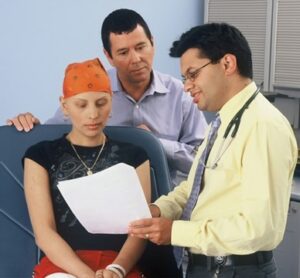
  • Keep calm when speaking with physicians. Always have the other parent or another adult with you. Sometimes the emotional impact of information can keep your mind from fully absorbing the message. Take notes and make sure you ask any questions at the meeting.
  • Engage a child psychologist or therapist. Let them help you strategize the best way to share information with your child and other family members. Also, connect with someone for yourself. Parents managing a child with cancer must be firing on all cylinders, and you cannot do it alone.
  • Create a health team for your child. Keep in mind, once your child has cancer, their oncologist will become their primary physician, and sometimes the best oncologist does not always have pediatric experience. Therefore, make sure the oncologist is open to sharing information with the child’s pediatrician, physical therapist, and emotional therapist. You want everyone on the same page.
  • Establish academic support. Your child needs to keep as normal a routine as possible at school, which requires building a solid academic team. Additionally, anxiety and drug treatments can prompt learning issues. Meet with administrators, teachers, and tutors routinely to bridge any gaps caused by absences. School counselors can also offer great support, as your child’s classmates no doubt will have questions about their friend. Your child’s diagnosis will have a ripple effect on all who know and love them.
  • Keep Extracurricular Activities Rolling. Many a star athlete, dancer, musician and honor student have seen their beloved activities begin to fall to the wayside. Make sure coaches understand what your child is facing, and look for other ways to help your child stay engaged in the activities that often form a huge part of their identity. Additionally, friend groups tied to these activities can offer the strongest sense of belonging for children facing a new normal.
  • Age-appropriate conversations.  This is where your child’s therapist can help, but in general, use honest age-appropriate conversations with your child and siblings. Children have a strong radar and will tend to assume the worst-case scenarios if the truth is withheld. At all ages, reassure the child that the cancer is not contagious nor a result of something they did. School-aged children and teens will ask lots of questions, repeatedly, so be patient and be prepared for the hardest question of all. “ Am I going to die?”  When it comes to teenagers, let them set the tone. Allow them to be as engaged with treatment decisions as possible and respect their need for independence and privacy. Their peers are everything at this age, so do all you can to help them stay connected. Some teenagers find great strength from meeting with other teens and young adults in support groups. You can find those near you through your hospital or oncology team.
  • Rules are rules! For all ages, it’s essential to maintain the mundane routines of life: bedtime, mealtime, and family rituals. Predictability equals a sense of safety and helps with anxiety for not only the child being treated but for siblings as well. Kids just want to be kids, and sometimes that means being consistent with discipline when needed.
  • Put on your oxygen mask first. It’s true. As a caregiver, you are running an emotional and physical marathon. Remember, you do not have to carry this burden alone. Find your village. Reach out to friends, family, and professionals to build a support network. Accept offers for grocery runs, pharmacy pick-ups, yard work or other mundane tasks. Self-care is mandatory, although it may seem impossible when you barely find time to sleep. Squeeze in time to meet a friend for coffee or a walk. Hot showers can fix most everything and offer a really good place for a much-needed cry.

Above all else, keep talking; as a family, with your spouse or partner, and especially with your child. It may not be the childhood you dreamt of for them, but it will still be filled with love, laughter, and shining moments. 

You’ve got this. To quote Claire from her college essay, a mantra written in the thick of her melanoma battle, ” Breathe Deeply. Keep moving forward. You will feel the sunshine again.”

Read more

Lucy, Charlie Brown, the FDA and Claire Marie; Behind the Curtain at CMF

From Marianne Banister: our Claire Marie Co-Founder, CEO, and Claire’s Mom


We are now approaching our 12th Christmas without Claire. It never gets easier. 

Rarely do I reveal the work we do behind the scenes at the Claire Marie Foundation. We love to share all the fun stuff; the excitement of our programs and events on our social posts. But because this is an extremely challenging time for nonprofits everywhere, so I wanted to pull the curtain back a bit, in the hope you will better understand the mountains we must climb.

As you know, at the Claire Marie Foundation, our focus is on preventing melanoma in adolescents and young adults through education, awareness and advocacy. We do not spend our funds on research and treatment post-diagnosis; not because those are not important avenues to beating cancer, but because we discovered prevention is overlooked and the easiest solution. In short, if you can prevent a cancer before it develops – there is no need for treatment.

Having said that, when needed, we step up to join in the good fight for melanoma research funding and to gain access to trials and treatments for younger patients who are refused access or pushed aside.  The thought is – kids aren’t at significant a risk, so let’s focus on adults. 

True,  children, adolescents and young adults do not get cancer as often as our older population. But if you want to see the Mama Bear in me come out, just suggest melanoma is “rare” in young people. It is absolutely is not. In fact, national studies show diagnosis is at “epidemic” proportions in those under 30 years.  Plus, melanoma is more aggressive and invasive in young people so effective diagnosis and treatment is essential to survival.  To clarify; while the number of overall young patients is not as high as older adults, the risks are greater. And in the experience of anyone who has lost a child, the impact is unimaginable; to the parents, siblings and general community. It is a loss of hope and a future filled with endless possibilities.

This year, 2025, has left us all reeling with massive federal cuts to cancer research for the National Institutes of Health and the National Cancer Institute. Research grants have been terminated, clinical trials have slowed, and, in some cases, have been brought to a screeching halt. There have been staff layoffs, and long-term projects with new life-saving findings jeopardized, if not completely eliminated. As research is impacted, so too is funding that trickles down to advocacy organizations such as the Claire Marie Foundation. Prevention, research and treatment all work hand-in-hand. 

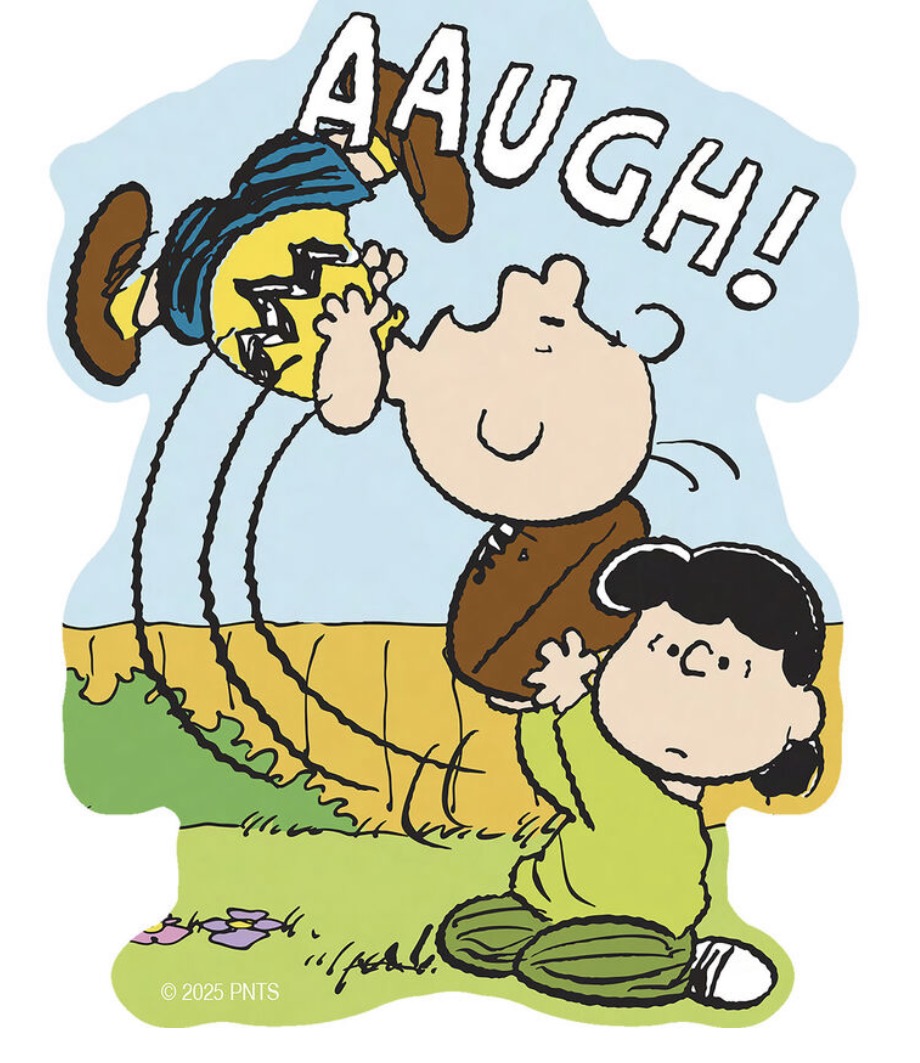
This past summer, as the Co-Founder and CEO of the Claire Marie Foundation, and what is called a “Melanoma Mom”,  I was asked to join a coalition of melanoma nonprofits in the fight to correct a ridiculous ruling by the FDA, which in essence signed a death warrant for those with late-stage metastatic melanoma.  To set the scene, think of the Peanuts cartoon where Lucy yanks the football away from Charlie Brown just as he’s about to victoriously kick it!  Dr. Vinay Prasad, an RFK Jr. appointee, was “Lucy”.

In a surprise, 11th-hour move, he blocked FDA approval of Replimune’s RP1 after it had checked each of the FDA’s required “boxes” in the drug trial process. RP1 has proven to be the Holy Grail of late-stage melanoma treatments for patients who typically have little chance of survival. His decision, with little explanation, blindsided researchers,  trial investigators, and patients who were thriving on the treatment. All this halted access to the therapy, which was saving lives. 

Given the massive public outcry and advocacy from the Claire Marie Foundation, along with melanoma powerhouses such as AIM at Melanoma, Melanoma Research Alliance, and Melanoma Research Foundation, I am happy to report that the FDA is now reconsidering the approval of RP1. If all goes well, by April of 2026, RP1 will be fully available to those who need it most, offering hope that they may reach a point in their lives where they can live fully with NED, “no evidence of disease”.

All I could offer in my role as CEO, and more importantly, as Claire’s mom, was some insight into the challenges she faced when fighting to get access to trials that could have saved her life.  It was a different battle in 2011 when very little was understood about adolescent melanoma, and it was nearly impossible for a person under 18 years of age to gain access to life-saving trials.  We are proud that, by sharing Claire’s story over the years, we have pried the door open – just a bit – to allow access to drug trials for those under 18. Still, one thing that hasn’t changed: treatment delays of hours, days, and weeks cost young lives. Patients and their families invest significant hope and financial resources in participating in a trial.  There better be a damn good reason to yank it all away. No one deserves to be Charlie Brown. Not my daughter. Not any other young person fighting the good fight. Below is the protest letter I sent to the FDA as part of this summer’s campaign. It is proof that, even though our world is chaotic and hope can sometimes dim, there is still great power in standing up, standing strong, joining forces, and speaking out for what is right. 


To: U.S. Food and Drug Administration

From: Marianne Banister Wagonhurst / Co-Founder / CEO / Claire Marie Foundation

August 1, 2025

This October 16th will mark 11 years since we watched our beautiful 17-year-old daughter Claire Wagonhurst succumb to the brutality of adolescent melanoma. No one could prepare us for the emotionally and mentally shattering effect of watching our child take her last breath, knowing it all could have been prevented had she been granted access to life-saving drug therapies.

An athlete, artist, and vibrant young woman, we could only watch as Claire withered away, becoming blind and immobile, a mere shell of herself. Claire would most likely be with us today had she been granted access to trials for one of two drugs, both of which have now become routine in melanoma care: Opdivo and Keytruda.  Despite campaigns on her behalf by her oncologist at Johns Hopkins and Senator Barbara Mikulski of Maryland, Claire was denied access because she was not yet 18. Her teenage body was mere months away from that of a “full adult” in trial terms, but the answer was still no.

Ironically, a few months later, after Claire’s melanoma had advanced to her brain with leptomeningeal disease, Keytruda was approved in July of 2014.  Claire was one of the first in the country to gain access to the drug; her age was no longer a factor. Our oncologist was excited, deeming Keytruda’s impact significant and even “miraculous”,  but it came too late. Too late. Too late. Much, much too late.  Claire passed three months later.

Our family established the Claire Marie Foundation in honor of Claire, with the mission of preventing melanoma in adolescents and young adults.  It is a population ignored and misunderstood by the medical community, even though melanoma is statistically at “epidemic proportions”.  Melanoma is the second most common cancer in adolescents. It is the number one cancer in young adults under 30. It is the most common cause of cancer death in young women aged 25-30. And, as in Claire’s case, it can be triggered by hormonal changes of puberty and even pregnancy. But what is essential to understand when it comes to the topic at hand of FDA drug approval is this: melanoma in young people is more aggressive and more invasive than in older adults, per a study by Johns Hopkins in 2014.  There is no time to waste.

Allow me to restate more clearly. Adolescents and young adults diagnosed with a Stage 3 or Stage 4 melanoma, cannot wait for the FDA to reboot.  Melanoma is an absolute beast in the young body. Replimune’s RP-1 may be the only thing to save them. By changing the rules at the 11th hour, by denying access to this life-saving drug which has been well proven to be safe and effective, the FDA may as well sign their death orders. It is simply an unconscionable and irresponsible act.

I offer a thought for consideration. In the English language, we have a word for someone who has lost a spouse: widow or widower. We have a word for someone who has lost their parents: an orphan. We do not have a word for someone who has lost a child or a sibling. Perhaps because we simply cannot wrap our minds around the concept. It’s too horrifying. Trust me. It is the most unfortunate of clubs. As a leader, may you make the wise decision to grant approval and thus save other young people, parents, siblings, and families from my fate.

Marianne Banister Wagonhurst


Read more

ChatGPT Is Not a Dermatologist: The Deadly Risk of Misdiagnosis

Here are two indisputable facts: First, booking a dermatological appointment for a full-body skin screening can be a pain in the “you know what.”  Secondly, getting that appointment is the only way to detect early-stage melanoma and other skin cancers. 

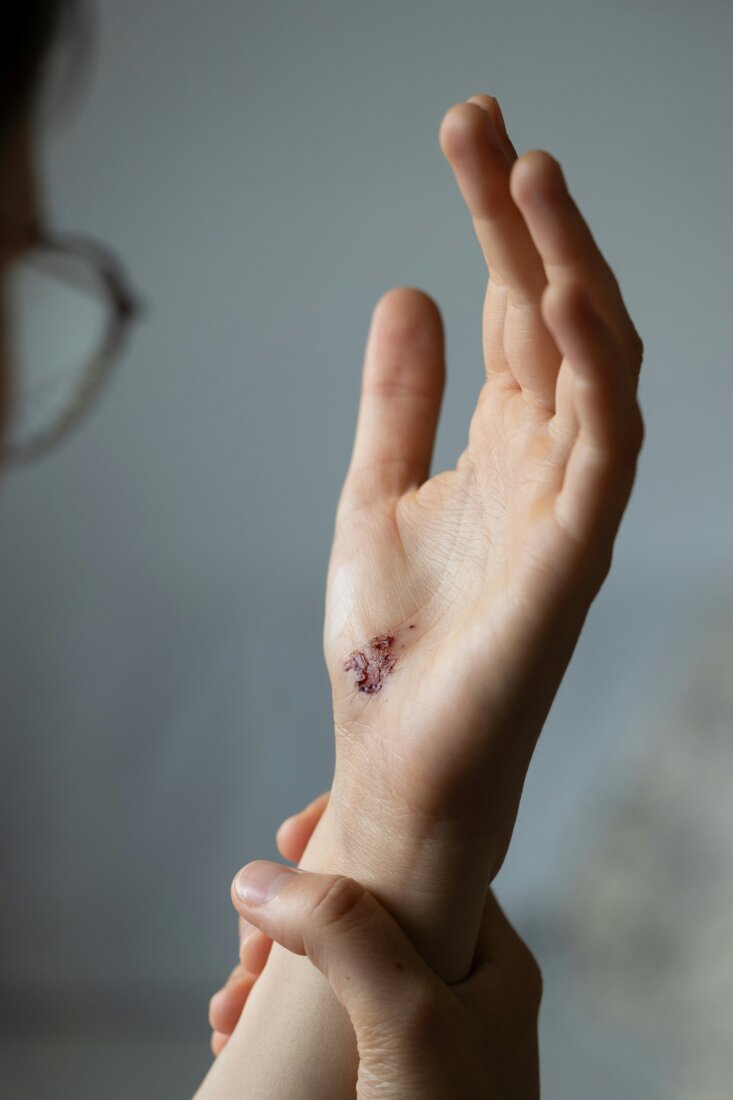
Sure, in this age of AI and ChatGPT, it’s tempting to skip the appointment, save money and time by just uploading a photo of a mole and ask ” Is this cancerous?”, “What is this?” or “What are your top three diagnoses?”  But that shortcut may cost you, since the answer is most likely wrong.

Researchers at the University of Alabama Birmingham, have found that while ChatGPT can offer strong specifics about a skin condition, it falls short when it comes to identifying malignant lesions. So in other words,  if ChatGPT tells you erroneously that growth on your arm is benign and nothing to worry about, you may go blindly about your life until it is too late. https://bit.ly/4iCReos

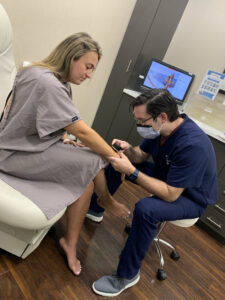
 Keep in mind early diagnosis is essential to stopping and preventing melanoma. And the only true way to detect and remove the risk is through a dermatological dermascope screening. It is not a big deal; just you in a gown and 15 minutes of your time. Early detection is the difference between an atypical mole ( one undergoing cellular changes) and a fully developed melanoma which can be a risk to your life. Keep in mind, if a growth looks alarming to your eye – you may already have a problem.  Don’t waste time on ChatGPT.  In young people under 30, melanoma is more aggressive and invasive than in older adults so every moment of early detection counts!

The best plan of all, is to plan ahead and schedule an annual screening with a gold-star dermatologist; one who is equally focused on the medical side of skin care and cosmetics. Stay ahead of any changes. Take care of your skin. Take care of you – and #livelifelikeclaire

Read more

Playing the Long Game; Cancer, Children and a Future Family

When a child, teenager, or young adult is diagnosed with melanoma or other cancers, the immediate response is to jump into treatment as soon as possible to blast it out of the body. But before diving into surgeries, chemotherapy, or other drug therapies, it’s equally important to take a breath, step back, and consider the long game; the quality of that young person’s life once the cancer is gone.

Infertility is a special concern for anyone facing cancer, but it’s crucial for young people with bodies still growing, developing, and maturing.

Your child’s risk of infertility will depend on the type of cancer they have and the recommended treatment. Tackle the issue early through conversations with your oncologist and pediatrician. Don’t expect them to come to you. You need to take the initiative! Teenagers should be directly involved in the conversation themselves, but be ready to step in if they become overwhelmed or hesitant to open the discussion.

Educate yourself and have a list of questions ready! Options for young patients have come so far in recent years. That includes Cryopreservation, or the freezing of ovarian and testicular tissue in infants, as well as the preservation of eggs, sperm, and embryos in teens and young adults.

In our most recent episode of An Unexpected Life, Marianne Banister dives into the world of fertility preservation with those who help young cancer survivors create families. Our guests are Megan Scherer of Worth the Wait Charity and Kara Bendle of the Cleveland Clinic’s AYA Fertility Preservation Program. 

You can find An Unexpected Life on Youtube or where you listen to all your favorites. Here is a direct link: http://www.clairemariefoundation.org/.podcast/

Read more

A Real Boss Move! Elea’s Story and the Importance of Advocating for Yourself

Do you get overwhelmed in a doctor’s office? Join the club! Maybe it’s the all the diplomas on the wall, the hurried staff or the drafty paper gown you have been reduced to wearing. Hey! Remind yourself of this reality; the doctor works for you!  Health advocacy knows no age limits, especially when it comes to melanoma in adolescents and young adults where it develops more aggressively than in older people.

Elea Vander Burgh knows that all too well. As a 17 year old high school student in Southern California, she had a gut instinct that something was wrong with a mole on her face. It had been on her eyebrow since birth, but suddenly it changed, getting bigger and changing in texture. Despite her dermatologist brushing it off as nothing,  Elea stubbornly demanded the mole be removed. The result; a melanoma diagnosis that possibly saved her life.

Now studying French and Archeology at Baylor University, Elea was lucky to have caught the melanoma at an early stage. Melanoma free for two years, she now advocates for young people to listen to that quiet voice in your head. “You know your body better than anyone”, Elea says. She insists it’s no time to be shy. ” It’s not like sending back a dish at a restaurant! It’s your health!”. 

You can learn more about Elea’s inspirational story of melanoma survival in the Claire Marie Podcast “ An Unexpected Life.” Elea chats with Claire Marie Co-Founder Marianne Banister about the power of self advocacy at any age, the importance of shopping for a good dermatologist, and the magic of developing a good scar story! You can find “An Unexpected Life” where you find all your favorites. Here’s a quick link: https://clairemariefoundation.org/podcast

Read more

Healing Through the Power of Gratitude

You’ve heard the adages;  “Laugh through the tears.” “Smile, you’ll feel better.”When your world is overwhelming and it seems you can’t catch a break, the simple act of smiling and expressing gratitude can go a long way to mental and physical healing. It’s neuroscience! Gratitude triggers the release of “feel good” chemicals in the brain sometimes called a “Gratitude Cocktail”.  Dopamine, Serotonin and Oxytocin all are released into your system when you learn how to infuse gratitude into your life. A surge of those neurotransmitters can strengthen your immune system, decrease depression, anxiety, and chronic pain as well as improve your personal relationships.

The benefits come when you make the choice to be grateful and practice a few steps to create new response pathways in your brain.

Begin with self compassion. Acknowledge and name your loss, frustrations and challenges. Own it. Then look at your life as a whole. Reflect on people and factors that enhance your life and for which you are grateful. It’s called positive psychology.

Practice Kindness. According to a study from the Mayo Clinic, practicing kindness increases empathy, compassion and improves your overall mood. It can also decrease blood pressure and cortisol levels which lowers your stress.

Express your gratitude through a written or visual gratitude journal. The act of writing or doodling your thoughts physically connect those images with your brain.

Gratitude is contagious!  Write and read letters of gratitude to those who are special to you. Don’t mail or email it. Write it and read it directly to that special person. Your heartfelt gratitude will enhance will create a special moment for you and the recipient. 

Take a Gratitude Walk! Ditch the earbuds, headphones or conversation. Take a walk, with just yourself for company. Your senses will be elevated to pick up on the sounds, smells and energy around you. You’ll be amazed at how it enhances your day.

To learn more about how to harness the power and benefit of gratitude, catch our pod “ An Unexpected Life: Healing Through Gratitude.”  Marianne Banister breaks it all down with Executive Wellness Coach Linda Roszak Burton.

You can listen or watch “An Unexpected Life” where you find all your favorite podcasts. https://clairemariefoundation.org/podcast

Read more