

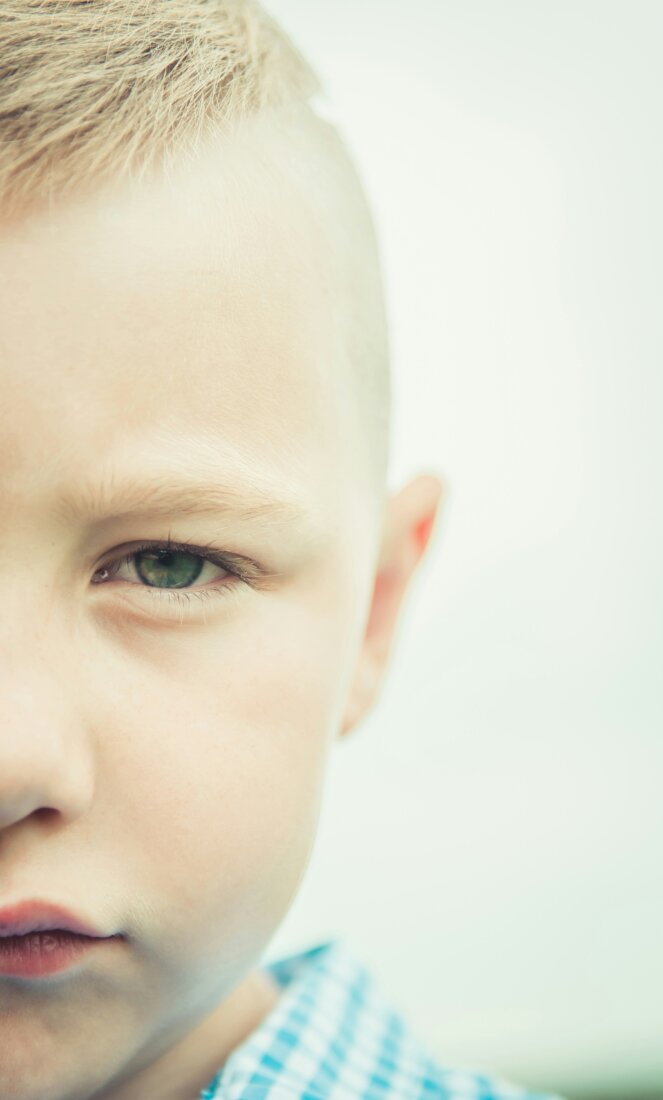
 Here’s some food for thought: Nearly 400,000 children and adolescents will be diagnosed with cancer globally this year. That means every three minutes, a parent is told their child has cancer. Trust me. No one can imagine nor prepare for the moment. There is simply the before and the after. Life is never the same. Still, there is so much more hope for young patients, since we lost Claire nearly a dozen years ago. That is due in great part to the advocacy and commitment of researchers and to those who scramble to find funding, who make it all happen. But times are hard.
In 2025, the Trump administration enacted massive cuts to cancer research leading to a loss of $640 million in grants and awards. That means one in 30 active clinical trials were disrupted, blocking access to new treatments. 2026 is not looking much better – with additional cuts of more than 43% proposed. So while Federal dollars are slashed for overall cancer research consider how much more this affects children and adolescents where funding is a mere pittance of what is available.
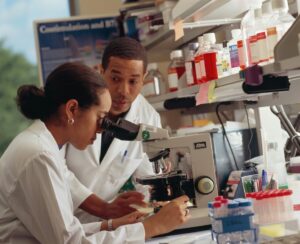
- The National Cancer Institute (NCI) allocates only about 4% of its budget to pediatric cancers, compared to over 96% for adult cancers.
- Pediatric or adolescent cancers are often classified as “rare diseases,” ( often times inaccurately) making them less attractive to pharmaceutical investments compared to common adult cancers.
- “Person-Years of Life Lost” rate is much higher than adult cancers because they occur at a young age.
- Treatments for children, particularly in sarcomas and brain cancer, can lag nearly two decades behind adult cancer advancements.
- Low funding leads to fewer clinical trials and less access for those under 18 years which delays the development of new treatments and more long-term side effects for survivors.
What does all this mean to the future of young people with cancer? It means researchers and those who fight for funding must become more creative. Nonprofit organizations funding pediatric research are becoming increasingly essential as pressure on the private sector intensifies to make up for federal cuts. Tasha Museles, President of the Children’s Cancer Foundation, says these worries are what keep her up at night, along with fears of the far-reaching impact of the loss of research. “Any clinical trial that comes to a screeching halt is devastating not just for today and tomorrow but for decades to come.”
 Dr. Robyn Gartrell, M.D., a Pediatric Oncologist and Research Physician with Johns Hopkins University School of Medicine, finds frustration in the fact that children are often eliminated from drug trials under the assumption that their systems are too sensitive, and the drug therapies could do more harm than good. In fact, Dr. Gartrell has found that the children can actually fare much better. “I’ll say, children have a higher tolerance and often survive what adults can’t. Case in point is CAR T Cells. Adult patients died from the immune response called cytokine release syndrome and while it is scary in children too, they often survive with fantastic supportive care as their bodies can handle things adults can’t.'” When asked why she keeps fighting the good fight, Dr. Gartrell says it is all about hope: ” Providing a drug to a child with a terminal cancer that allows them to not only plan for but go to college is an unreal feeling.”
You can learn more from our podcast An Unexpected Life. Claire Marie Foundation Co-Founder and CEO Marianne Banister is joined by Dr. Gartrell and Tasha Museles as they take a deep dive into this topic. https://clairemariefoundation.org/podcast
\
Post a comment