


 It often starts in the little ones; as early as 5 years of age. They learn to swing a bat, serve in tennis, pass a football, kick a soccer ball or cradle in lacrosse. Over the years, their time on turf, courts, and grass will increase as will their exposure to the damaging rays of the sun. On average, the NCAA outdoor athlete will spend 1,200 hours a year in the sun. But that doesn’t even account for the years before college.

Over 3.5 million skin cancers are diagnosed in the U.S. each year and young people are especially targeted. Not only due to sun exposure but special risks related to hormonal changes and genetics
Melanoma—the deadliest type of skin cancer—is the most common form of cancer among young adults ages 25-29, and the second most common among ages 15-29. It’s the number one cause of cancer death in women 25-30.
Additionally, there are aspects to life as an athlete that add to the risk of melanoma. For instance: sweating.
It increases the skin’s sensitivity to ultraviolet radiation. Anti-inflammatory medications such as Advil or Aleve, often used for muscle pain, as well as acne medications and antibiotics, can increase the skin’s likelihood of burning.
What to do? Just be extra cautious!
Start with sunscreen: Apply a broad-spectrum liquid sunscreen with SPF 30 or higher and reapply every 2 hours or after swimming. Be generous and rub it in! Do not use spray sunscreens, as they do not penetrate the skin’s layers. Here’s a hint: stash it in your cooler for easy access when hydrating!

Wear UPF 50 clothing: Regular team uniforms, hats, and gear will only stop 6% of the damaging rays. You can actually burn through your clothing! UPF50 will block 98% of the sun’s damaging rays, so cover up with sun-safe gear when you can. That goes for the team tent too! Unless it’s made of UPF50 fabric, it offers little protection.
Tag-Team Protection: Many dermatologists, including those with the Claire Marie Medical advisory, recommend using a polypodium plant derivative. In short, an herbal supplement that can help to protect the skin from sun damage. It is NOT a replacement for sunscreen, but it’s another tool to enhance skin protection on those long days in the sun. As always, check with your physician or dermatologist to make sure it’s right for you.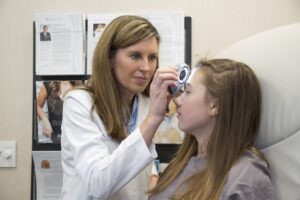
Know your skin: Get a full-body skin screening every year from a dermatologist who uses dermoscopy. Then, keep an eye out for any new moles or unusual changes to existing moles. If you see anything, see your dermatologist asap. In young people, melanoma can change very quickly and be quite aggressive. But, if found and removed early, it is 98% treatable.
Remember, there is nothing keeping you from living a vibrant, active life. Just up your skin game! Take care of you! Take care of your skin! #LiveLifeLikeClaire

Post a comment